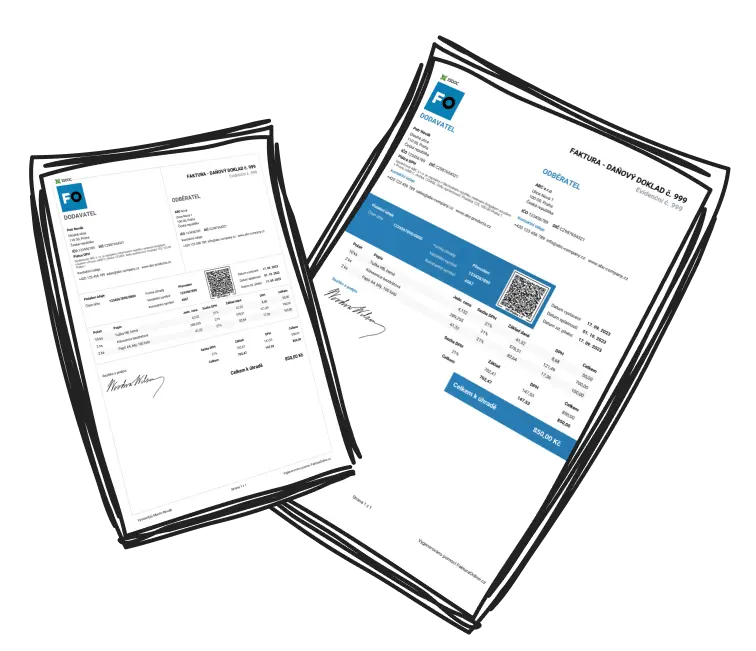
Bill of exchange / promissory note

Bill of exchange / promissory note are written instruments used to confirm and secure payment in trade. A bill of exchange is an unconditional order to pay from the seller (drawer) to the buyer (drawee), payable to a named payee on demand or at a fixed time. A promissory note is an unconditional promise to pay made by the buyer (maker) directly to the payee. Both can be transferred to another party (they are negotiable).

Simple example
A supplier draws a bill of exchange on a buyer for payment after an agreed period; once the buyer accepts it, the supplier may keep it or transfer it. A promissory note is signed by the buyer, promising to pay the supplier on the agreed date.
Use these documents only when all parties agree the amount, who is to be paid and when payment is due. They do not replace the invoice; they sit alongside it as a separate order or promise to pay.
Key differences for small businesses:
- Form: bill = an order from seller to buyer; promissory note = a promise from buyer to seller.
- Parties: bill usually involves three parties; promissory note involves two.
- Acceptance: a bill typically binds the drawee when accepted; a promissory note binds the maker when signed.
- Use: bills are often initiated by the seller to document trade credit; promissory notes are issued by the buyer or borrower.
- Both should clearly state the amount, the payee, when payable (on demand or at a fixed time), and carry the proper signature.

Practical tip
Keep the wording simple and unconditional. Store signed originals safely and record any endorsements or transfers.
With us, anyone can handle invoicing completely.Create Invoice