Current assets
Current assets are resources your business owns that you expect to sell, use, or turn into cash in the near term, typically within your normal operating cycle. They appear on the balance sheet and help show how easily you can meet day‑to‑day bills.
They differ from non‑current (long‑term) assets, which you hold to use over a longer period, like equipment. Classifying items correctly helps you track liquidity and plan cash flow.
Typical items included as current assets:
- Cash and bank balances.
- Short‑term deposits or marketable investments intended to be sold soon.
- Unpaid customer invoices (trade receivables).
- Stock (inventory) held for sale or to use in production.
- Prepayments and other receivables, such as deposits or tax recoverable.

Simple example
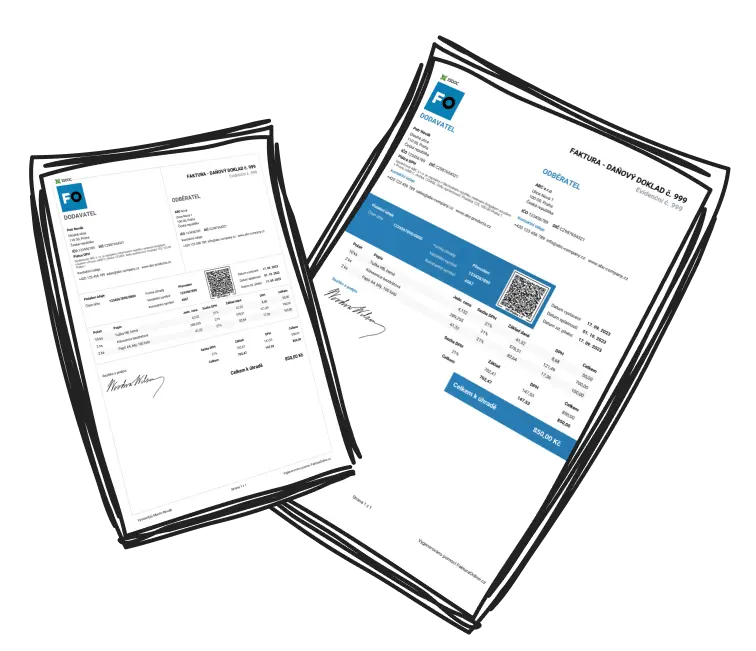
You buy goods to resell and hold them as stock, then issue an invoice to the customer. When the customer pays, the trade receivable becomes cash — all within your operating cycle, so these are current assets.