Internal control system

Internal control system is the set of simple rules and routines your business uses to keep money and information under control. It helps ensure your records are accurate, assets are protected, and you meet legal and tax obligations. It is not one form, but a way of working across finance, operations and IT.
Practical areas your internal controls usually cover:
- Segregation of duties: different people approve, record and hold cash when possible.
- Authorisations and limits: clear rules for spending, discounts and refunds.
- Reconciliations: regular checks between bank, invoices, stock and accounting records.
- Access controls: passwords, user roles and restricted access to systems and cash.
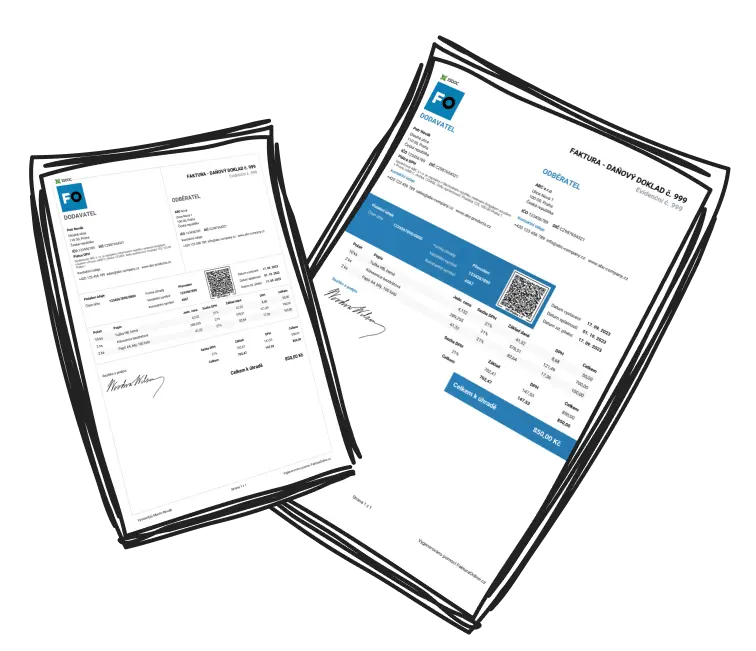
- Documentation: saved invoices, receipts and notes that show who did what and when.
- Monitoring: owner or manager reviews key reports and exceptions.

Simple example
One person issues invoices, another matches incoming payments to the ledger, and the owner reviews a monthly bank reconciliation.
Your controls should fit the size of your organisation. In a small team where one person handles several tasks, use compensating checks, such as independent reviews or spot checks. Write the procedures down, apply them consistently, and revisit them when your business changes.

Start small
Document a few high-risk steps first: who can authorise spend, who can issue credit notes, and how you reconcile the bank—then improve over time.
With us, anyone can handle invoicing completely.Create Invoice