Principal amount

Principal amount is the original sum of money you borrow or invest. It does not include interest, fees, taxes or penalties. In business, the term is mainly used for loans, credit agreements and other debts; it is the base on which interest is calculated and what your repayments reduce.

Simple example
You borrow 10,000. Interest is calculated on 10,000, and each repayment is split between interest and a portion that reduces the principal.
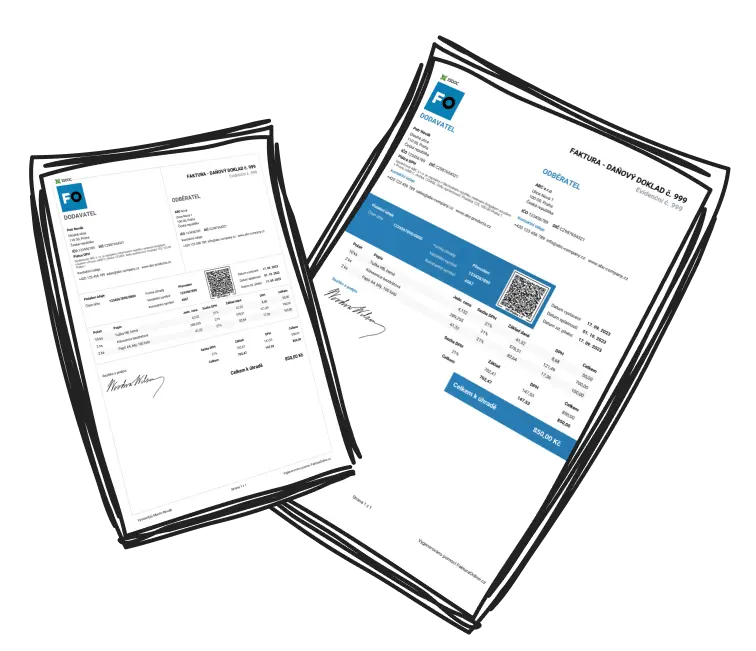
On invoices, the base for VAT is usually called the net amount, not the principal. If a contract or statement uses “principal amount”, it means the debt before interest and other charges. In your books, the remaining principal sits on the balance sheet; interest and fees go through profit and loss.

Accounting tip
When reconciling loan payments, split each payment into principal and interest lines to keep the liability and interest expense accurate.
With us, anyone can handle invoicing completely.Create Invoice