Crafting a Robust Retail Business Plan: A British Guide
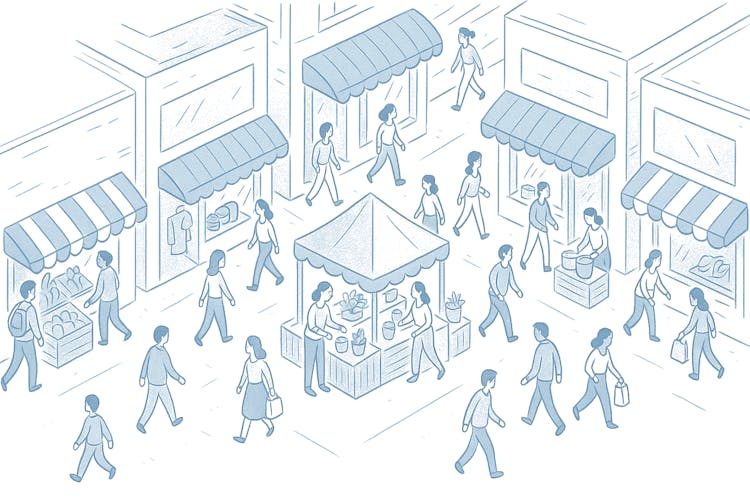
Embarking on a journey to open a retail store can be thrilling, yet achieving success hinges on devising a robust business plan. This guide provides a blueprint to draft a business plan specifically suited for retail ventures in the UK.
What Constitutes a Retail Business Plan?
An effective retail business plan delineates your shop's goals, operational practices, financial tactics, and marketing blueprints, all tailored to thrive in the competitive market landscape.
Many novice business owners in Britain may overlook its importance, but it lays the groundwork for enduring success. It details crucial aspects such as managing stock, engaging with customers, and establishing market presence.

Example
A retail business blueprint could encompass sections such as:
- Vision and mission: “Our aim is to be the leading supplier of eco-friendly home goods within the community of [specific location].”
- Target customer: “Professional adults looking for sustainable living solutions.”
This focused approach ensures your enterprise adapts to shifting consumer patterns and preferences.
How Do You Formulate a Retail Business Plan?
Pondering how to transform your retail shop concept into a structured strategy? Follow these steps to set the stage for success:
-
Understand Your Target Market and Customers
Determine who your ideal customers are, along with their preferences and purchasing habits.
Study your competitors to understand how your store can stand out.
-
Determine Your Mission, Vision, and Goals
Formulate a compelling mission statement encapsulating your aspirations.
Set achievable targets, like reaching £400,000 turnover in the initial year.
-
Detail Your Product Line
Clarify the products or services you'll offer and your sourcing strategies.
Emphasise unique attributes such as quality, eco-friendliness, or competitiveness in pricing.
-
Select the Ideal Location or Online Platform
Provide reasons for your shop's location: Is it conveniently located for your target shoppers?
If online, stress the importance of an intuitive e-commerce setup.
-
Construct a Marketing and Sales Strategy
Plan promotional drives, loyalty schemes, and branding pursuits.
Engage with digital strategies like social media presence.
-
Prioritise Financial Scheming
Assess start-up costs, running expenses, and revenue channels.
Outline a comprehensive funding strategy if external investment is sought.

Tip
Start svelte: Launch with a select range of products rather than attempting to stock everything straight away. Gauge customer response, then expand.
Why Is a Retail Business Plan Essential?
Crafting a robust retail business plan is vital in demonstrating the feasibility and durability of your retail venture. It not only sharpens decision-making capabilities but also ensures your business model can adeptly tackle market challenges.
Key Advantages:
Sets a Course: Provides guidance for everyday and future decisions.
Projects Financials: Foresees potential risks like seasonal variations in demand.
Attracts Investors: Validates the potential of your shop.
Maintains Focus: Helps you stay aligned with your goals.
Main Elements of a Retail Business Plan
Omitting key components can threaten your success. Here are the vital parts every successful retail business plan should feature:
Executive Summary: Summarise your business concept, aims, and vision succinctly.
Market Research: Dive into consumer demographics, market trends, and competitor analysis.
Target Market Analysis: Clearly define who your ideal customers are and their buying behaviours.
Operational Plans: Address location, staffing, and stock systems.
Marketing and Sales Tactics: Showcase brand strategies, pricing structures, and sales techniques.
Financial Strategy: Incorporate budgets, revenue forecasts, and break-even analysis.
Legal and Compliance Details: Ensure all necessary permits and legalities are addressed.
Tip
Invest time in writing a captivating executive summary—this is where first impressions count for potential investors.
Ensuring Retail Business Plan Success
To guarantee the success of your retail business plan involves continual revisions, leveraging tech tools, and aligning strategies with market shifts, ultimately facilitating sustainable growth.
-
Set Data-Backed Achievable Goals
Ensure every strategy is evidence-based with realistic financial expectations.
-
Consistently Update Strategy
Revise the plan as per performance insights, customer reactions, or market updates.
-
Seek Professional Advice
Consult with mentors, advisors, or retail specialists to refine your approach.
-
Foresee Challenges
Identify possible challenges and prepare responsive strategies.
-
Highlight Your USPs
Differ from competitors by showcasing what makes your shop unique.
Example
A quaint boutique owner utilised digital resources to analyse stock and sales patterns. Following their initial quarter, they shifted their product selection to prioritise the most profitable lines, increasing revenue by 20%.
By applying these strategies and recommendations, you can devise a business plan that attracts stakeholders and serves as a cornerstone for your retail store's success in Britain.
