Navigating the Seven Stages of Business Growth
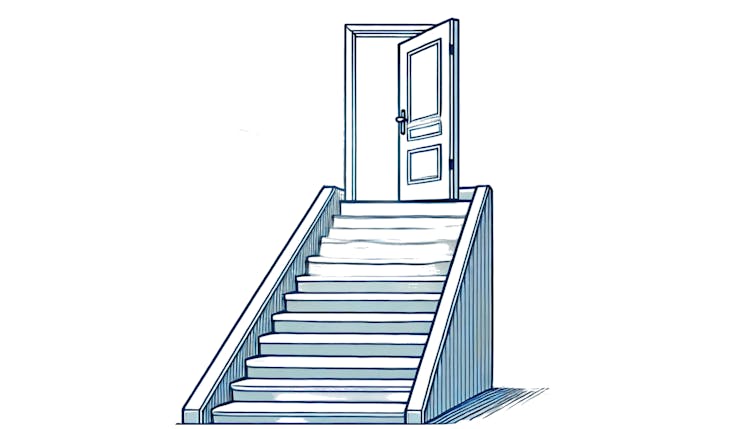
Understanding the Seven Stages of Business Evolution
In the journey of any business, there are seven distinct stages: the conception, launching phase, growth, establishment, expansion, maturity, and either renewal or decline. Each step brings its own challenges and focuses, creating a map for entrepreneurial development. By grasping these stages, businesses can navigate growth more effectively and ensure their long-term viability.
Conception Stage: This is all about nurturing ideas and crafting a solid plan, testing the waters for viability.
Launching Phase: Here, ideas translate into tangible ventures. Products or services hit the market, early customers are secured, and initial challenges such as funding are tackled.
Growth Phase: Momentum builds as operations expand, acquiring more customers and boosting profitability.
Stability Stage: The focus is on maintaining steady success with streamlined processes and reliable income.
Expansion Phase: Growth continues into fresh markets and diversified offerings.
Maturity Phase: The business enjoys sustained stability, with innovation needed to keep its competitive edge.
Renewal or Decline Phase: Strategies are revisited to adapt to new market conditions or face possible reduction.

Tip
Recognising growth stages can transform seeming chaos into a structured, manageable process.
Determining Your Business's Stage in the Growth Cycle
Knowing your position within the business growth cycle is vital for applying appropriate strategies. Assess these critical metrics:
Revenue Assessment: Is income consistent or climbing?
Goals Alignment: Are operational goals reflective of strategic objectives?
Operational Efficiencies: Is there a need for more workforce, technology, or updated systems?
Market Reach: Evaluate the size and loyalty of your customer base.
Accurate stage detection should guide a clear growth strategy.
Challenges Across Different Growth Stages
Every stage presents its challenges, and understanding these hurdles can lead to better preparation and choices.
Conception Stage: Difficulties in confirming the idea or securing investment can impede progress.
Launching Phase: Overcoming cash flow issues, establishing a market fit, and growing a customer base can be daunting.
Growth Phase: Rapid development raises issues in managing a larger team, and handling increased client demands.
Stability Stage: Necessity for continual innovation to cope with market shifts.
Expansion Phase: Entering new domains or launching products may strain existing resources.
Maturity Phase: Face risks of stagnation from internal lethargy and outside competition.
Renewal or Decline Phase: Decide on reinventing strategies or gracefully exiting.

Warning
Resource overextension during growth or expansion can cause financial strain and inefficiencies.
Strategies for Thriving Through All Growth Stages
Businesses must adopt bespoke strategies to thrive through the different growth phases while maintaining their resilience.
Conception Stage: Engage in thorough market investigation, prototype testing, and acquire initial funding.
Launching Phase: Prioritise efficient operations, attract early adopters with an MVP, and refine product-market synchrony.
Growth Phase: Invest in scalable systems, consolidate team efforts, and focus on customer loyalty strategies.
Stability Stage: Automate routine tasks, develop secondary income streams, and enhance brand strength.
Expansion Phase: Base actions on detailed market analysis, build partnerships, and mitigate risks with strategic plans.
Maturity Phase: Propel innovation through active R&D and focus on modernisation.
Renewal or Decline Phase: Evaluate and pivot the business model, seize fresh opportunities, or consider restructuring.
Tip
Customer feedback is invaluable at each growth stage for refining offerings and maintaining competitiveness.
Smooth Transitions Between Growth Stages
Shifting between phases requires careful planning and resource coordination.
Review Operations: Spot any inefficiencies or unmet needs in systems and client satisfaction.
Define Clear Objectives: Fragment goals into viable steps leading to the next stage.
Effective Resource Allocation: Invest in hiring top talents, updating technology, or enhancing marketing and collaborations.

Example
A startup poised for growth might enhance its customer onboarding process through automation to manage increasing demand efficiently.
By staying proactive, businesses in the United Kingdom can smoothly transition through growth phases, overcome obstacles, and keep moving forward.
The Path to Enduring Business Prosperity
Comprehending the seven stages of business development is key to ongoing success. Addressing each stage's challenges with targeted strategies enables a company to flourish while setting up for the next opportunity. It's crucial to evaluate your current position, spot growth prospects, and take decisive steps to achieve the next breakthrough.