Kickstart Your Freelance Career: A British Guide

Embarking on a freelance career affords you the liberty to shape your own work life. However, securing success requires meticulous strategy and preparation.
Identify your in-demand skills, such as writing, design, or consultancy, to effectively launch your freelance venture.
Determine your business ambitions, including financial targets and preferred projects.
Register your enterprise if necessary and familiarise yourself with Britain's legal stipulations.
Establish an online presence with a tailored portfolio, website, or social media for your field.
Craft a compelling pitch that highlights your unique contributions to potential clients.

Tip
Stay organised by treating your freelance work like a bona fide business: adhere to schedules and consistently meet deadlines.

Example
An illustrator initially shared sketches on Instagram, gradually building an online showcase and attracting significant clientele.
Initial Steps for Launching Your Freelance Path
These steps will help you leverage your abilities to kickstart your freelance career:
Define Your Speciality: Focus your services to make a mark. For example, specialise in branding for new businesses rather than general graphic design.
Pinpoint Your Client Base: Investigate potential clients and their needs to match your services to market trends.
Craft a Portfolio: Exhibit your work through a well-designed website, LinkedIn, or a polished PDF portfolio.
Set Competitive Rates: Decide on pricing by considering your experience, project complexities, and market norms.
Promote and Network: Utilise platforms like LinkedIn, while actively reaching out to prospective clients.
Maintain Consistency: Follow your marketing strategy and continually refine your skills and portfolio.
Tip
To refine your offerings, conduct a skills audit and test demand by pitching to a select group initially.
Understanding the Realities of Freelancing
Grasping the true nature of freelancing is essential to start on the right foot.
Beyond utilising your skills, you'll handle marketing, client interactions, and accounting. Legally, ensure registration requirements are met and taxes sorted. Protect yourself with contracts that clearly explain the scope of work to clients.
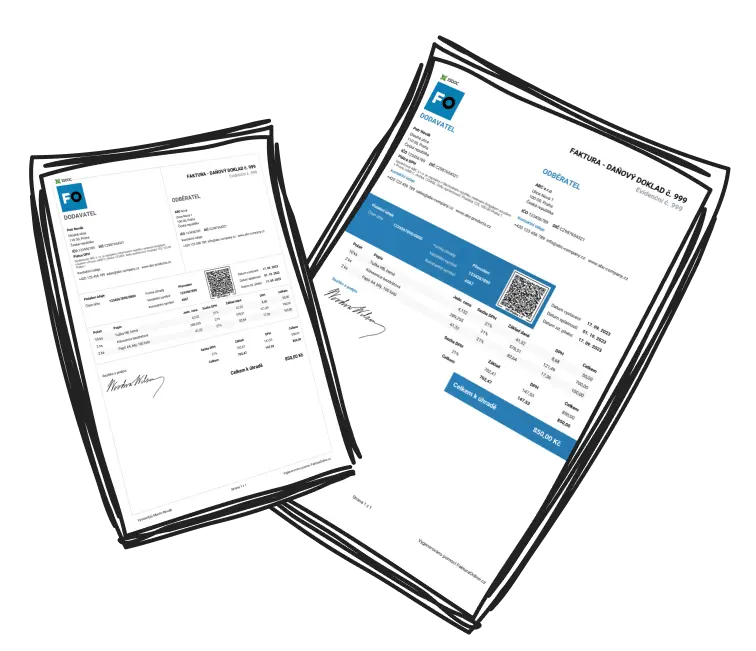
Adopt a reliable payment method like PayPal or professional invoicing tools to ensure smooth transactions. Invest in client/project management tools to organise your workflow. Be cautious of clients with vague payment terms or unrealistic expectations.

Overlooking legal obligations and setting unclear client boundaries can lead to disruption and financial troubles.
Use comprehensive contracts at the start of a freelance project to prevent misunderstandings and protect your work.
Building a Flourishing Freelance Career
Creating a successful freelance career demands patience, planning, and perseverance. Here's how to proceed:
Deliver High-Quality Work: Establish trust by consistently meeting deadlines and exceeding expectations.
Gather Testimonials and Referrals: Use positive feedback to attract new clients and enhance your reputation.
Effective Networking: Engage in online forums, industry events, or communities to connect with clients and peers.
Diversify Your Client Base: Avoid depending on a single client; seek varied gigs for stability.
Continuous Learning: Keep abreast of industry trends by undertaking relevant courses or acquiring new skills.
Prudent Time Management: Employ tools like Trello or Asana to juggle projects efficiently.
Establish Personal Branding: Share knowledge through blogs or social media to bolster your expertise and niche authority.
Build Strong Alliances: Trust and effective communication result in repeat business and referrals from satisfied clients.
Tip
Retaining clients secures stability. Turning single-deal clients into long-term partners enhances your business balance.
Example
A copywriter created consistent blog content, developed SEO skills, and emerged as a favoured choice for multiple clients returning with new projects.
Essential Tools and Traits for Successful Freelancing
Without these essentials, freelancing can become daunting:
Technical Requirements: A reliable computer, stable internet, and special tools specific to your craft or sector.
Management Tools: Use Trello for workflow and PayPal for handling payments to streamline operations.
Online Visibility: A professional portfolio or business site to display your expertise to potential clients.
Personal Traits: Adaptability, effective communication, and self-discipline are necessities for overcoming freelance hurdles.
Freelance Marketplaces: Platforms like Upwork or Fiverr can help secure your first clients and gain experience.
Tools such as Canva (for designing) and Notion (for organisation) enhance efficiency and ease task management.
Example
Starting with minimal investment, a photographer used Instagram to showcase their portfolio and free invoicing software to gain credibility and build an income.