Efficiently Listing Payment Methods on Invoices
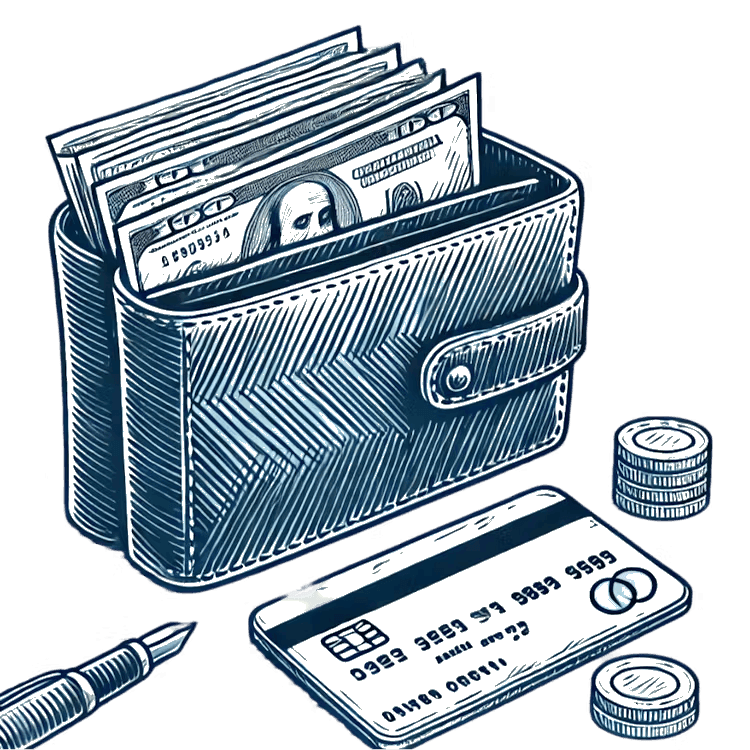
Organising Invoice Payment Methods
Effectively listing payment methods on your invoice is vital for seamless financial dealings. For tailored advice on crafting a professional invoice and arranging payment options, refer to our comprehensive guide.
Begin with the most favourable method, and include all pertinent details:
Provide complete bank details for electronic bank transfers.
Specify the payee name and postal address for cheques.
For cash transactions, note whether a formal receipt will accompany the payment.
-
Clearly identify the digital platform for online payments or supply a pertinent link.
Example: The 'Payment Methods' section should detail each option clearly.
Encouraging Swift Payments
Promptly urge your clients to pay invoices by adopting these suggestions:
Propose a modest discount for early payments, well in advance of the due date. Explore more invoicing techniques for prompt payments in our guide tailored for e-commerce in Britain.
Gently remind clients about late fee penalties to deter delays.
-
Prominently display the preferred payment method to attract immediate attention.
Tip: Offering a 2% discount for payments settled within 10 days can encourage early remittance.
Digital Payment Options: Modern Business Solutions
In today's world, where digital payments dominate, providing these on your invoices caters to tech-savvy clients and simplifies the process:
Include detailed directions for e-wallet payments and a simple manual. Discover how to automate your invoicing process with digital payments in our exhaustive guide.
Offer a QR code to facilitate instant payment through digital banking systems.
-
Include addresses for crypto-wallets if you accept cryptocurrency, and notify clients of potential volatility.
Using tools like InvoiceOnline, integrating QR codes into your invoices can boost the client payment experience.
Safety and Transparency: Essential Practices for Payment Details
Ensuring payment information is both secure and straightforward is crucial:
Verify that all payment methods listed are from reliable and safe sources. For more insights into safeguarding your invoices against fraud, refer to our in-depth guide.
Present all details concisely in an easily digestible format.
-
Update any obsolete payment methods with modern, more secure choices.
Tip: Emphasise banking information with bold text to avoid mistakes, and provide a contact number for queries.
Updating Payment Options: Keeping Your Invoices Relevant
Consistently reviewing your payment options keeps your invoice relevant and user-friendly:
Assess your payment methods annually to ensure efficiency and security.
Stay abreast of new payment innovations that could enhance your business.
-
Modify terms and alternatives based on client insights and emerging payment trends.
Tip: Every six months, evaluate your full invoicing system to identify any necessary updates or enhancements in payment options.
