Handling Unpaid Invoices Legally in the UK
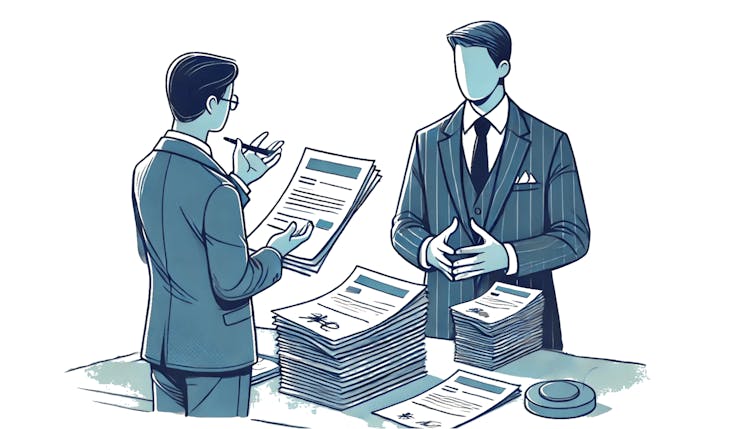
Dealing with unpaid invoices can be a taxing ordeal for any business. In the United Kingdom, there are several legal pathways you can follow to address this issue effectively.
Options to consider include dispatching a demand letter, turning to small claims court, or exploring mediation. However, often overlooked is how a sound contract and adept communication from the outset can defuse potential complications.
Comprehending Unpaid Invoices
Encountering unpaid invoices is a regular issue that can disrupt your financial stability. Legally addressing delayed payments often means navigating either client misunderstanding or their financial strain.
Example: A frequent problem occurs when there is a lack of clarity regarding payment terms, causing holdups or omissions.
Getting Ready for Legal Measures
When preparing to take legal steps, having a well-documented contract is fundamental. This should specify payment terms, deadlines, and penalties for late payments. Addressing overdue amounts begins with issuing a formal reminder or invoice, acting as a polite nudge. Should this prove ineffective, a more insistent demand letter is sent, detailing the overdue amount and setting a final deadline before legal proceedings commence.
Example: Using a structured reminder template can aid in upholding a professional and clear tone.
Legal Routes to Consider
Various legal strategies exist to recover unpaid invoices, such as pursuing the matter through small claims court. While a collection agency can prove effective, it is crucial to consider the cost before engaging their services.
Example: Mediation could lead to a mutually agreeable outcome without damaging business relationships.
Applying Effective Communication Tactics
In legally managing overdue invoices, the power of effective communication cannot be overstated. By practising diplomacy and empathy, you can facilitate collaboration while discussing payments. It is useful to sit down in a private setting to have a calm, non-confrontational exchange. Use language that is clear and confidently references the original agreement.
Utilising expressions such as "Let’s resolve this together" or "As per our agreement…" can reinforce professionalism.
Tip: Following discussions, it is prudent to send an email that summarises the agreed points. This ensures mutual understanding and acts as a documented follow-up.
Future Preventative Measures
To shield yourself from future payment woes, start with comprehensive client assessment, which might involve credit checks or upfront deposits. Moreover, drafting a detailed contract that specifies terms and deadlines is vital for legally thwarting potential payment issues.
Arranging a periodic payment plan or working on retainer can bolster cash flow management.
Example: Implementing early payment benefits, like discounts for prompt payments, can serve as an incentive.