Managing Overdue Invoices in Your Small Business
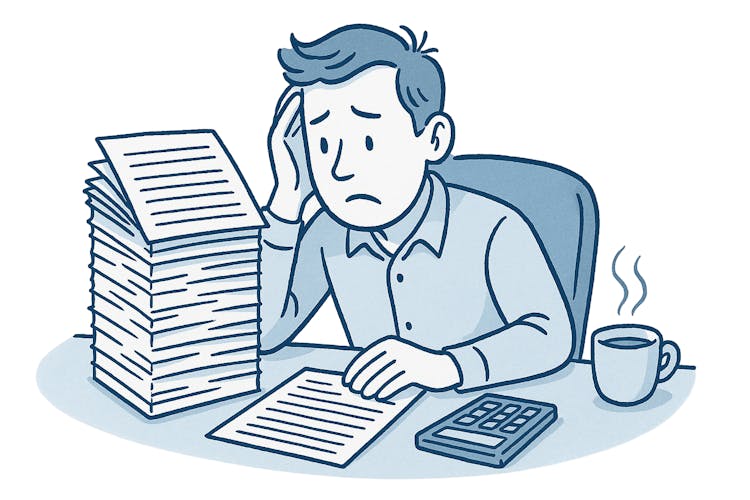
For any small business owner in the UK, keeping on top of invoices is vital to financial success. This article covers the ins and outs of dealing with overdue invoices and offers practical solutions to keep your finances in check.
Understanding Invoices with Balances Owed
It's not uncommon for small businesses to struggle with invoices marked as 'balance due', disrupting financial oversight.
An invoice with a balance due marks the remaining amount owed after partial payments, if any, have been received. It details the original sum, any payments made, and what remains. Such invoices are pivotal for small businesses both as payment requests and tools for managing outstanding accounts.

What Does 'Balance Due' Signify?
Balance due = Total amount still payable after accounting for payments made.
How to Identify an Invoice with Outstanding Balances
Spotting these invoices promptly helps in managing overdue payments efficiently.
Look out for phrases like "Outstanding Amount" or "Past Due" displayed prominently.
Due dates are usually bold or highlighted for emphasis.
Check near the invoice's top or bottom where the total outstanding might be listed.
Modern account systems might tag invoices as “Unpaid” to indicate needed action.

Invoice Example
Total Invoice Amount: £1,000
Partial Payment: £500
Balance Due: £500 (highlighted or bolded).
Why Quickly Addressing Invoices is Crucial
Ignoring these invoices could spell disaster for your business.
A prompt response to invoices ensures steady cash flow, allowing you to cover necessities like rent, wages, and suppliers' costs. Delayed treatment might lead to taking out loans or becoming financially unstable. Furthermore, swift handling conveys professionalism, cultivating trust with your clientele.

Cash Flow at Stake
Delays or unpaid invoices can severely constrain a small business's ability to operate or grow. Addressing them is vital for financial well-being.
Failing to tackle overdue invoices can also elongate payment cycles, complicating planning and increasing the chances of disputes, which benefits no one.
Strategies for Managing Overdue Invoices Effectively
Streamlined processes can drastically cut down on late invoices.
Leverage Invoicing Software: Systems like QuickBooks ease invoice management by automating reminders and consolidating records.
Set Transparent Payment Terms: Use explicit terms like “Net 30” to outline due dates.
Preemptive Follow-ups: Issue reminders as deadlines loom, and escalate if not met.
Offer Varied Payment Methods: Accept cards, transfers or digital payments to ease client transactions.
Incentivize Timely Payments: Discounts or flexible plans can encourage early settlement.
Keep Records Thoroughly: Documentation serves well if disputes arise.

Automate With Software
Automated systems streamline invoicing, reminders, and reports—saving time and lowering error rates.
The Dangers of Neglecting Overdue Invoices
Ignoring the problem creates more issues than addressing it.
Disrupted Cash Flow: Failures to receive payments may hinder paying essential bills.
Financial Risk: Unchecked invoices force difficult cuts or loan reliance.
Harmed Relationships: A negligent approach may erode client trust.
Legal Troubles: Unaddressed invoices escalate into legal battles or necessitate debt collectors.
Lost Opportunities: Without financial consistency, growth prospects may dwindle.
Ignoring past-due invoices puts your enterprise at unnecessary risk.
Key Practices to Mitigate Overdue Invoicing
Adopting a few straightforward habits can greatly enhance management of overdue invoices.
Automate Invoicing Tasks: Employ software for efficient tracking and reminders.
Conduct Regular Reviews: Regular check-ups on receivables catch overdue payments.
Provide Various Payment Options: Flexibility fosters faster payments.
Clarify Terms Clearly: Ensure your clients are aware of deadlines and potential fees.
Send Polite Reminders: Friendly follow-ups keep a professional tone.
Maintain Communication Logs: Keep detailed records for clarifying future disputes.
Ensure an Organised Process
Consistency and a structured approach are crucial to avoiding missed payments and mitigating risks.
Understanding and efficiently managing overdue invoices is essential for small business owners committed to financial stability and strong client bonds. Implementing these tactics will help you manage late payments effectively, ensuring a more robust cash flow.