Top Strategies for Invoice Management in Small UK Businesses
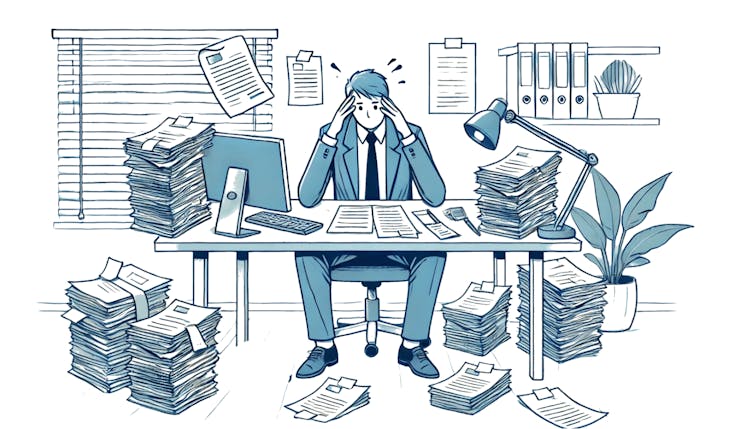
How can you enhance invoice management in your small British business?
Optimising invoice management within a small business in the UK requires the adoption of digital invoicing systems and well-defined payment terms. Automated tools are invaluable in increasing productivity, yet understanding comprehensive strategies to streamline your entire invoicing process is crucial.
Tip 1: Adopt a Digital Invoicing System
Consider software like InvoiceOnline for effortless invoice creation directly from your browser. This automation reduces the time spent on repetitive tasks like data entry, lending more efficiency to the workflow.
Example: A British retail shop implemented a digital invoicing solution and experienced a 30% decrease in time allocated to generating invoices, freeing resources for other vital operations.
Tip 2: Clearly Define Payment Terms
Establishing payment terms that are in sync with your cash flow needs is critical for effective invoice management.
Tip: Upfront discussions with clients about obligations and deadlines make it simpler for them to adhere to your payment terms.
Tip 3: Arrange Invoices Thoughtfully
Organise invoices by client, due date, and status to facilitate timely retrieval and follow-up, enhancing your invoice management.
Example: By categorising invoices, a catering business was able to effectively manage over 150 clients’ payments, reducing overdue accounts by 20%.
Tip 4: Simplify the Invoice Approval Process
Streamline the approval process by reducing unnecessary layers, and clearly define who can approve which invoices based on amounts, to prevent delays.
Tip: Define approval limits and designate individuals responsible for approvals to maintain a swift and smooth process.
Tip 5: Regularly Train Your Team
Consistent training on the latest tools and invoicing techniques can substantially improve efficiency.
Example: A marketing agency reduced invoicing errors by 25% after a training session, leading to a more efficient and reliable process.
Tip 6: Communicate Effectively with Clients
Send timely reminders for upcoming payments to encourage punctuality.
Example: Implementing an email reminder schedule helped a logistics firm increase on-time payments by 30%.
Tip 7: Encourage Early Payments
Incentivise with discounts for early payments or introduce penalties for tardy payments to prompt swift settlements.
Example: A travel agency experienced quicker cash flows by offering discounts for early payments, thereby improving cash management.
Tip 8: Monitor Client Payment Patterns
Track payment histories to detect patterns and address payment delay issues with specific customers.
Tip: Implement customised follow-up strategies tailored to the habits of clients who frequently delay payments.
Tip 9: Utilise Automated Payment Systems
Automated systems make the transaction process seamless and reduce human error.
Example: By adopting automated payments, a consultancy firm reduced the incidence of missed payments, boosting customer satisfaction.
Tip 10: Select the Proper Invoicing Tools
Choose software offering features like automated invoice generation, payment tracking, and reminders that can integrate seamlessly with existing systems.
Example: A boutique law firm integrated its invoicing software with accounting systems, achieving a comprehensive financial overview and smoother operations.
Ultimately, utilising these strategies will bolster effective invoice management across your small business in Britain, leveraging appropriate tools and processes to streamline operations.
