Digital & Social Media Marketing: Differences & Synergy
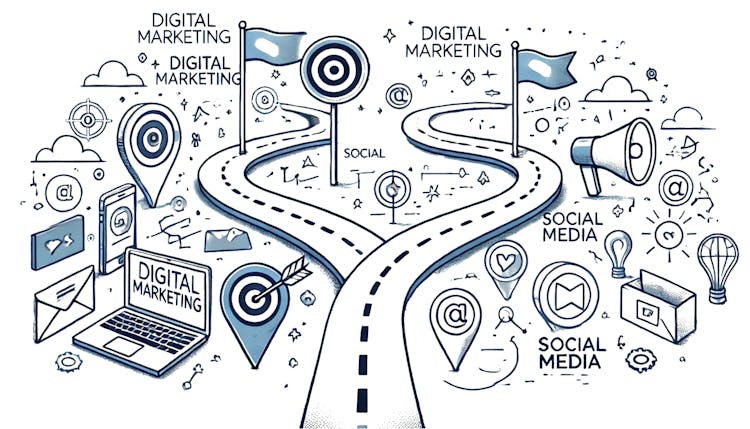
Understanding Digital vs Social Media Marketing
Digital marketing encompasses a broad spectrum of strategies, using a plethora of digital channels like search engines, websites, email, and mobile applications to connect with potential customers. This differs significantly from strategies that heavily focus on social media platforms.
Social media marketing, on the other hand, focuses on platforms like Facebook, Instagram, TikTok, and LinkedIn, emphasising the promotion of content, engaging users, and building a loyal community as part of a broader digital marketing approach.
Illustration:
Digital Marketing Strategies: Techniques such as SEO, email outreach, PPC advertising, and content creation are central to digital marketing, distinct from social media methodologies.
Social Platforms: Platforms like Instagram, Facebook, and LinkedIn are at the forefront of social media marketing.
The Divergence Between Digital and Social Media Marketing
Scope: Digital marketing covers an array of tactics including search engine ads and email campaigns, whereas social media marketing is restricted to specific platform tactics.
Objectives: The goals of digital marketing focus on conversion, traffic, and lead generation, while social media marketing zeroes in on fostering engagement, boosting brand awareness, and nurturing relationships.
Tools: Digital marketing typically involves tools like Google Ads and email CRMs, contrasting with social media marketing’s reliance on platform-specific tools like Facebook Ads.
Longevity: Digital marketing looks for long-term returns, whereas social media marketing thrives on rapid interaction and engagement.
Investment: Technical expertise and financial outlay are often higher in digital marketing compared to social media marketing, which can leverage organic content effectively.

Tip
Businesses in the UK should balance the short-lived benefits of social media marketing with the long-term planning of digital initiatives for holistic growth.
Distinguishing Digital and Social Media Marketing
Category |
Digital Marketing |
Social Media Marketing |
|---|---|---|
Goals |
Primary aims include lead generation, driving traffic, and increasing conversions. |
Focuses on engaging audiences, boosting brand awareness, and communicating brand stories. |
Channels |
Utilises search engines, email systems, and websites. |
Primarily uses platforms like Facebook, TikTok, and LinkedIn. |
Key Metrics |
Focuses on website engagement metrics like clicks and email sign-ups. |
Monitors engagement through likes, shares, followers, and comments. |
Budget |
Typically requires a larger investment for a wider scope. |
Can employ cost-effective methods using organic content. |
Audience Targeting |
Utilises data-driven targeting tools. |
Emphasises community interaction. |
Combining Digital and Social Media Marketing
Increasing Website Traffic via Social Media: Social media platforms like Instagram can amplify the promotion of blogs or product pages, supporting the broader digital strategy.
Retargeting Using Digital Tools: Utilising digital marketing data to retarget audiences through social media ads can enhance engagement.
Coordinated Initiatives: Encourage followers from one channel to engage with another, ensuring unified communication throughout.
Responsive Feedback: Interactions on social media can be instrumental in refining strategies such as email campaigns or PPC targeting.

Example
Launch a Facebook advertising campaign for a new product and link it to a landing page refined through digital marketing. Use retargeting on Instagram to capitalise on visits.
Why Grasping These Differences is Critical
For optimal marketing in Britain, recognising the essential differences between digital and social media marketing is crucial. This understanding ensures efficient budget allocation and targeted campaign creation. Neglecting either approach could result in subpar outcomes, such as relying solely on social media for objectives better achieved via email or search advertisements.

Warning
Avoiding one method in favour of the other may limit reach and return on investment. An integrated approach ensures that every channel works collectively, leveraging their strengths to generate substantial impact and sustainable expansion.
