Net Payment Explained: A Guide for Employees
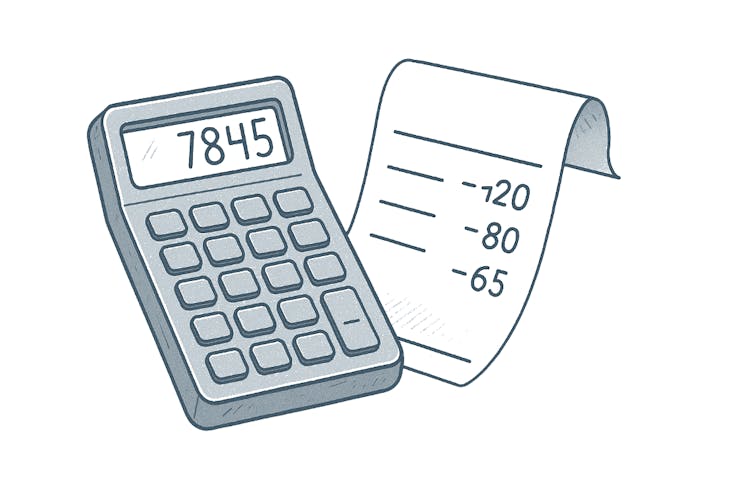
Your net payment, commonly known in Britain as "take-home pay," is the sum you actually receive after all deductions are made from your gross salary. The gross salary is your earnings without any reductions. Meanwhile, net payment reflects the actual funds that are transferred to your bank account.
Net payment is essentially what remains for your personal expenditure after all taxes and withholdings.
Calculating Your Net Payment
Having a firm grasp on how your net payment is determined can prevent any nasty surprises come payday. Here's a detailed guide on the calculation:
Start with your gross pay, which covers your base wage, bonuses, overtime earnings, and any commissions.
Deduct taxes that depend on your earnings, residence, and tax status.
Remove National Insurance and other obligatory contributions (common across the UK).
Account for employer-specific reductions, including health insurance, pension schemes, or union fees.
Factor in voluntary reductions, such as contributions to a pension, savings plans, or any obligatory deductions like child maintenance.
What remains after these calculations is your net payment.

Tip
Estimate your net payment using online calculators to better organise your financial future.
Why Employees Should Understand Their Net Payment
Misinterpreting your payslip may lead to budgeting mishaps or overlooked mistakes. Comprehending your net payment helps you manage your finances sensibly, ensuring living costs and savings are catered for.

Example
Picture budgeting £2,500 for housing, only to find your net income is £2,300. Understanding your pay helps prevent such blunders.
By inspecting deductions, employees can detect errors, make improved financial choices, and boost their economic confidence.
Deductions Affecting Your Net Payment
Your payslip includes various deductions: some mandatory, others optional. Prior to becoming your take-home pay, here’s where the funds typically go:
-
Mandatory deductions:
Income tax (based on earnings and tax band).
National Insurance contributions (supporting healthcare and pensions).
Student loan repayments (if applicable).
-
Voluntary deductions:
Private health premiums.
Contributions to pensions (like workplace pensions, private pensions).
Savings accounts (e.g., ISAs).
Insurance premiums (disability, life).
Fees for professional bodies.
Garnishments (such as child support, loan repayments).

Be aware that National Insurance deductions support essential services like healthcare.
How to Access Your Net Payment Information
Tracking your net payment details is vital for maintaining financial precision. Employees can view payroll information through various means:
Examine your payslip, which is either issued on paper or digitally each payday.
Use online payroll portals provided by many employers for instant earnings and deduction checks.
Reach out to HR or payroll staff for insights on your deductions or any inconsistencies.
Always verify your payslip after each payday to ensure precision.