Decoding Junior vs Senior Roles: Career Insights
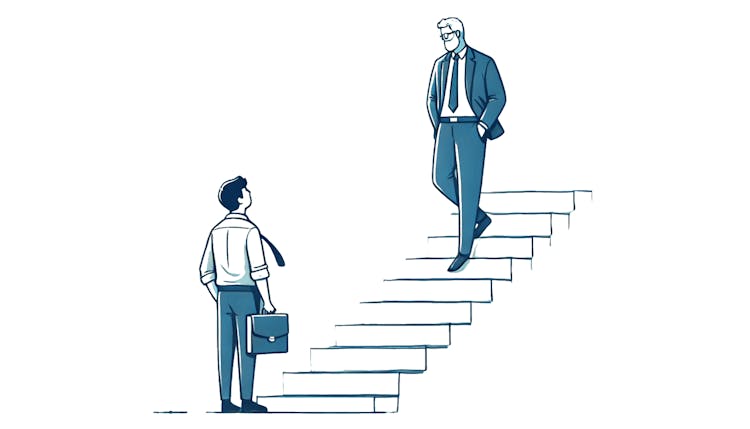
What Differentiates Junior from Senior Roles at Work?
Grasp your position in the organisational hierarchy and understand how your tasks stack up beyond just a job title.
Comparing junior and senior roles illustrates stark contrasts in experience, responsibilities, and authority. Fresh entrants focus on absorbing knowledge and executing tasks under watchful eyes. Their duties are often tactical, revolving around honing skills and adhering to instructions.
On the flip side, seasoned professionals handle intricate tasks, inject strategic guidance, and coach less experienced colleagues. They quietly steer decisions and align actions with expansive company objectives. While juniors carry out designated processes, seniors craft strategies, solve complex problems, and spearhead innovation.
How Do These Levels Influence Career Progression?
Navigating through these stages shapes not just your career, but your personal growth trajectory.
Junior positions lay the groundwork, offering essential skills and exposure to new sectors. For example, a budding developer might initially learn coding frameworks under supervision, but will soon find these skills pave the way to roles with greater responsibility.
Meanwhile, roles at higher levels open doors to greater expertise, project management, and influence over organisational strategy. Stepping up to a leadership position involves managing teams and projects, enhancing visibility, and impact. Both levels foster personal advancement and greater earning prospects.
Essential Skills to Evolve from Junior to Senior Levels
Learn what it takes to stand out and prepare for advancing your career in the UK.
Securing a senior role demands blending technical ability, interpersonal skills, and leadership prowess.
Technical Mastery: Command complex industry concepts.
Leadership: Guide and nurture junior team members.
Communication: Clearly convey ideas and persuade others.
Problem-Solving: Approach obstacles resourcefully and efficiently.
Emotional Intelligence: Build a cooperative environment with empathy and flexibility.
Strategic Thought: Align tasks with broader company goals.
Adaptability: Embrace change and manage uncertainty.

Tip
Strengthen these skills through online leadership courses or mentorship schemes within your workplace.
Roles and Responsibilities: Junior vs Senior
Explore how team dynamics and collaboration depend on clearly defined responsibilities.
Junior staff often manage specific tasks like data gathering, process implementation, and maintaining accuracy with oversight. Their focus is on operational adeptness while enriching their technical know-how.
Conversely, senior workers take charge of comprehensive duties, including team leadership, strategic forecasting, and making crucial decisions. They bridge team efforts with executive aims, breaking down strategies into actionable tasks and distributing routine duties to juniors.

Example
A senior marketing executive might assign the drafting of social media content to a junior whilst focusing on developing campaign strategies, analysing data, and briefing key stakeholders.
Challenges at Junior and Senior Levels
Unveil approaches to effectively tackle challenges across different career stages.
Hurdles for Juniors
Adjusting to structured systems.
Bridging knowledge gaps and demonstrating capabilities.
Navigating deadlines and grasping the wider context.
Obstacles for Seniors
Balancing strategic priorities with everyday duties.
Making impactful decisions amidst pressure.
Avoiding stagnation while staying abreast of new advancements.

Warning
Senior-level burnout can be significant. Safeguard your health by wisely delegating and prioritising self-care.
By recognising and managing these challenges, workers at all levels can enhance their resilience, broaden their skills, and thrive in their careers.