How Remote Work Impacts British Social Skills
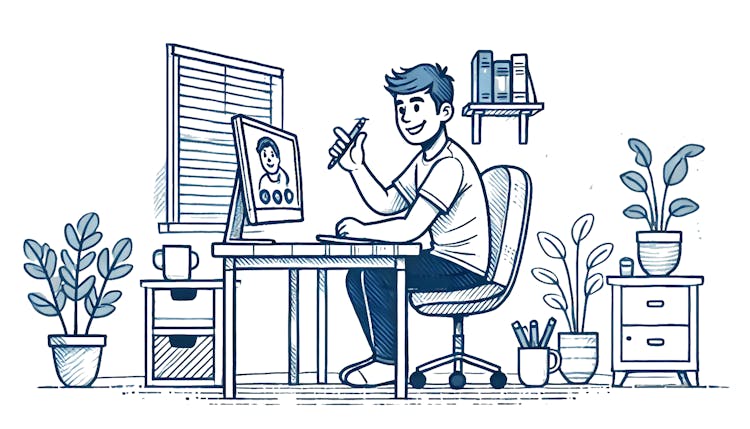
Many people may not realise how the transition to remote work can subtly undermine their social abilities. The shift has irrevocably altered the way Brits connect, reducing physical face-to-face meetings and opportunities for developing relationships.
Social isolation brought on by working from home can weaken essential social skills because of fewer in-person interactions. Spontaneous moments, like chats at the tea point, become scarce, limiting our practice of active listening, small talk, and empathy. Digital platforms like video calls and emails miss out on non-verbal cues, such as body language and facial expressions, vital for nuanced conversations.
Remote workers often lose chances for natural conflict resolution found in physical workplaces, potentially causing long-term dips in social confidence and adaptability.
Challenges to Social Skills in Remote Work
Understanding these hurdles is crucial for overcoming social barriers while working remotely. Key obstacles include:
Limited non-verbal communication: Virtual chats without body language lack depth.
Decreased empathy: Restricted to digital platforms, creating deeper connections becomes challenging.
Difficulty in workplace relationships: Initiating and maintaining bonds with colleagues virtually is tough.
Misunderstandings on the rise: Written messages can easily be misread without context and tonal cues.
Struggle to build trust: The absence of spontaneous, physical interactions hinders trust-building.

Communication Instance
Missing non-verbal cues during Zoom calls—such as nodding in agreement—might lead to confusion in team dynamics.
Why Remote Work Affects Social Skills
The workplace is more than just a job location; it’s an environment where social skills naturally burgeon. Remote work disrupts this dynamic by minimising physical closeness and spontaneous interactions, both key for enhancing interpersonal capabilities.
Lack of engagement with real-world social exchanges, like informal hallway chats or impromptu brainstorming, reduces opportunities to negotiate and collaborate effectively. Crucial interpersonal dynamics, including vocal tone and body language, are hard to reproduce digitally.

Face-to-face discussions can be 34 times more fruitful than emails in collaborative contexts.
Counteracting Remote Work's Negative Effects on Social Skills
Implementing minor, consistent changes in your daily routine can help maintain social skills even while working remotely. Consider these steps:

Helpful Tips
1. Set regular interactions: Arrange virtual team meetings or in-person meet-ups to rekindle conversation flow.
2. Join groups: Engaging in hobby circles, volunteer networks, or online forums boosts networking.
3. Appeal to visual engagement: Use your webcam during calls to maintain eye contact and convey expressions.
4. Include bonding time: Plan deliberate interactions with colleagues beyond work matters.
Strategies to Maintain Social Skills Remotely
Adopt these simple yet effective habits to keep your social skills sharp:
Practice active listening: Concentrate on others during calls, crafting thoughtful responses.
Attend networking sessions: Mix online and offline opportunities to connect with your professional community in Britain.
Set weekly catch-ups: Make it a goal to socially engage with friends or colleagues at least once a week.
Boost emotional intelligence: Explore seminars or literature to nurture empathy and communication.
Engage in team-building: Participate in activities that promote trust and teamwork.
Make space for social chats: Contact family, friends, or colleagues to fortify those bonds.
Volunteer or mentor: Assisting others enhances your communication and empathy skills.
Being proactive is crucial—without it, the digital divide might weaken long-term social abilities.

Avoid social withdrawal; even if it's tempting to stick to remote routines, it's essential to remain connected.
Remote work poses challenges to social skills, but with intentional routines and a dedication to maintaining social interactions, you can counteract its negative effects and preserve robust interpersonal connections.