Is Working While Sick Worth the Risk?
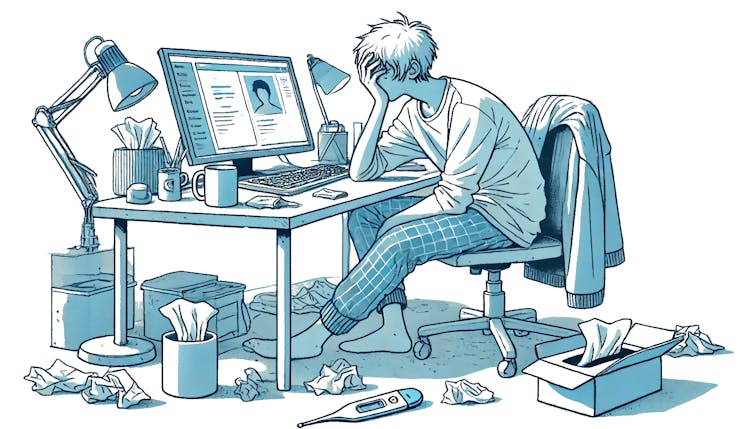
Deciding whether to trudge into work when feeling poorly involves considering several aspects: the severity of your symptoms, the impact on colleagues, and the policies in place at your office. Minor ailments like a headache might be manageable, but transmissible illnesses like the flu or COVID-19 pose a serious threat to co-workers and hinder your recovery. Your well-being should always take precedence, even when work demands tempt you to soldier on.

Make your health a priority to safeguard yourself and others around you.
The Benefits of Working Sick
Although generally resting up is best, there are scenarios where persevering through an illness might appear beneficial:
Maintaining momentum: Being present at work can help prevent delays on crucial projects and keep everything on track.
Financial necessity: With limited sick leave, working through illness may help avoid potential loss of earnings or job uncertainty.
Showing commitment: Turning up despite feeling rough might reflect your dedication and team spirit.
Remote working: If you're able to perform duties from home, you can still contribute and keep others safe from your germs.

Urgency in deadlines may compel work attendance—but is it worth the personal toll?
The Drawbacks of Working Sick
The negatives of heading to work while under the weather can be extensive:
Extended illness: Eschewing rest can exacerbate your condition and slow recovery.
Infecting others: Contagions spread quickly in communal environments, potentially leading to further absenteeism.
Lower productivity: Work quality suffers when you're not on top form, leading to errors and inefficiency.
Colleague unrest: Turning up unwell may be seen as inconsiderate, souring workplace relationships.

Being contagious at work can significantly harm team health and efficacy.
When Might It Be Okay to Work Sick?
There are instances when going to work when ill is acceptable. If your symptoms are mild and not contagious, such as allergies or slight discomfort, consider working but proceed with caution. Working from home, if feasible, provides a way to fulfil duties while remaining isolated. Moreover, if symptoms are minor but potentially infectious, wearing a mask can reduce the risk to others. But, if your illness impairs your ability to function safely or effectively, it's best to stay away.

Example
With a mild allergy or headache, working could be possible, especially with protective measures.
Impact on Your Colleagues
Being unwell in the workplace creates a chain reaction, impacting your colleagues and the wider office environment. Harmful germs can quickly circulate through shared spaces, potentially infecting entire teams within a day. This decreases overall productivity as more staff either take sick leave or attempt to work while ill. Additionally, the perception of workplace policies might suffer if colleagues believe employee health is undervalued. It is especially crucial to consider those in the office who might be more susceptible to infections.
Did You Know? A single sick employee in a shared space could spread germs within just a few hours.
Finding Balance Between Health and Work
Striking the right balance between maintaining productivity and preserving health is vital when deciding to work while unwell. The repercussions are significant, both personally and professionally. Prioritising your health over presenteeism is wise, especially if your ailment could be caught by others. Employers have a role in encouraging a culture that values health above mere attendance. By making informed choices, you set an example for others and help create a healthier, more effective workplace in the long run.
