Understanding Sick Days vs. Holiday Entitlement
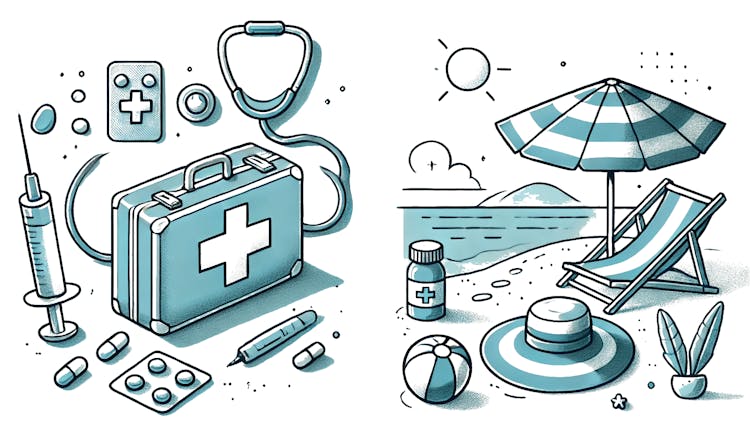
For many in the workforce, differentiating between sick days and holiday time can be baffling. Yet understanding their distinctions is key to managing them correctly.
Understanding Sick Days vs. Holiday Entitlement
Why aren't sick days and holiday entitlement one and the same? Primarily, it's because they cater to distinct needs and are handled differently by workplaces. Sick days support recovery from illness or health matters, while holiday entitlement allows for time off to relax, recharge, or deal with personal affairs.
Sick Days: These are designated for illnesses, injuries, or other health concerns.
Holiday Entitlement: Planned breaks for rest, leisure, or personal activities.
Key Differences Between Sick Days and Holiday Time
Misusing either type of leave can result in disciplinary measures or a loss of valuable days off. It's important to grasp their key differences.
Purpose: Sick leave addresses health issues, whereas holiday entitlement is for leisure and personal needs.
Notification: Sick days often occur unexpectedly and do not require prior notice, while holidays usually need to be scheduled and approved beforehand.
Proof: Employers may request medical evidence for extended sick leave. Rarely is such documentation required for holiday time.
Entitlement: Some companies separate sick and holiday days, while others combine them into a general leave policy known as Paid Time Off (PTO).
Carryover: Holiday days might be rolled over depending on company rules, but sick leave often comes with stricter rollover restrictions.

Having distinct policies for sick and holiday leave is a common practice by employers to ensure clarity in how their team can request and use time off effectively in relation to organisational demands.
When to Opt for Sick Leave Instead of Holiday Entitlement
Choosing the right type of leave helps maximise your benefits and sustains your professional reputation.
Health Recovery: Sick leave is for when you're under the weather, managing long-term health conditions, or dealing with injuries.
Medical Visits: Use sick leave for check-ups or procedures that impede work attendance.
Avoid Misuse: It's crucial not to use sick leave as an excuse for taking a day off for enjoyment—this flouts company policies.

Sick Day Scenario: You wake up feeling poorly and need to rest or consult a doctor.
Holiday Example: You're planning on extending a weekend break with friends for some extra relaxation.
Is It Possible to Use Sick Leave for Holidays?
The question of whether one can swap their sick leave for holiday days can often arise. But doing so without clear permission from your employer might have negative repercussions.
Sick days are generally meant for health-related issues. Utilising them as holiday without explicit permission can lead to disciplinary action or undermine employer trust. Some flexible PTO systems might allow for such a mix, but checking your company's specific policy is imperative.

Taking sick days disingenuously for personal leisure could lead to disciplinary measures, strained workplace relations, and damaged credibility.
Employer Practices in Managing Sick Days and Holidays
Your company’s leave policies can vary greatly, so reviewing how these are managed is crucial. Employers usually establish clear separate protocols to balance sick leave and holiday management.
Recording: Sick and holiday leaves are often monitored distinctly unless a PTO system is in place.
Entitlement: Sick leave may be granted annually, while holiday days often accrue based on your tenure.
Legal Guidelines: In certain areas, sick leave is legally protected, requiring specific entitlements, while holiday leave may not have the same legal safeguards.
Communication: Notifying supervisors promptly about urgent sick leave, often with evidence, is a must, whereas holiday leave needs prior agreement for planning.
Businesses can refuse holiday leave during high-demand periods, despite an employee's availability of leave, to maintain operational efficiency.
By comprehending these key distinctions and adhering to your employer's guidelines, you can adeptly manage your leave to maintain both wellbeing and professional relationships.