The Impact of AI on the Workforce
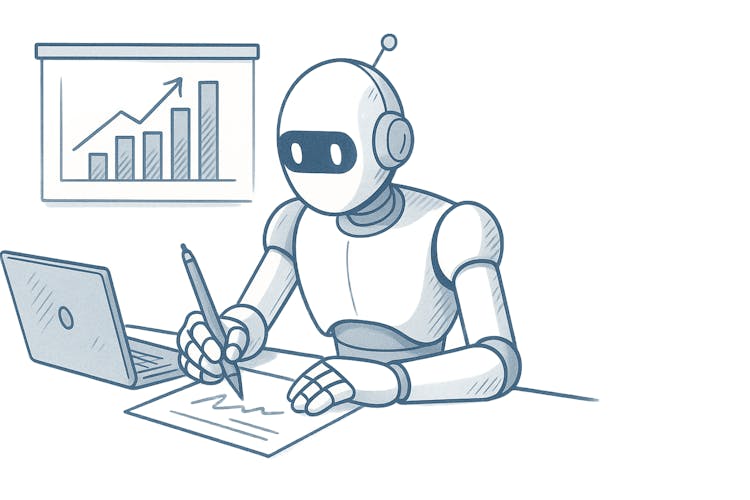
Imagine a future where most of our daily tasks and professional duties are handled by machines. This is no longer a futuristic vision but a present-day reality driven by the rapid progress of AI. But who will feel the effects? And what steps can you take to adapt?
Expected Job Losses Due to Automation
In the early days of automation, it was predicted that the first jobs to be impacted would be manual and repetitive roles—such as those in assembly lines, cashier positions, or truck driving. However, today, AI's reach extends far beyond these areas, affecting even professions traditionally seen as creative or technical.
The Rise of Generative AI: A Game Changer
With advancements in generative AI, like ChatGPT and similar models, machines are now capable of producing texts, images, and even code with remarkable precision. These innovations are revolutionizing the work landscape and challenging our previous understanding of various professions.
Generative models such as GPT-4 and DALL·E are reshaping creative tasks, with AI now able to produce writing and visuals that rival human efforts. This shift forces us to reconsider what work will look like in the future, especially in creative sectors.
The Impact Across All Professions
While AI will touch nearly every profession, the most affected will be those that rely on routine, well-defined tasks. Roles in fields such as programming, marketing, journalism, and data analysis are particularly vulnerable to automation.

Professions with clear, repetitive processes (e.g., generating reports, data processing, or coding) face the highest risk of AI replacement. Jobs requiring human creativity, nuanced decision-making, or emotional intelligence will still present a challenge for AI to fully replicate.
Professions at Risk in the First Phase of AI Adoption
The first wave of AI disruption will target both creative and technical professions. AI systems can already produce written content, design graphics, and write code, diminishing the need for human input in these areas. Lawyers, radiologists, and financial advisors are among those who may face job displacement.
The Second Phase: Human Interaction Professions
In the next phase, jobs that involve significant interaction and communication with people, such as personal assistants, teachers, counselors, and therapists, could be at risk. Technologies like ChatGPT are already capable of simulating human-like conversations, threatening to replace some of these roles.
How to Adapt and Thrive
There’s no need to panic—adapting to these changes is the key to survival. Focus on developing skills that AI struggles to replicate—creativity, critical thinking, emotional intelligence, and adaptability. Flexibility and a mindset of continuous learning are essential in this rapidly evolving world.
Turning AI Into a Resource
Rather than resisting the technological tide, think about how AI can boost your productivity and efficiency. By embracing AI tools, you can stay ahead of the curve in your field.

Professionals in various industries can start incorporating AI-driven tools into their workflows. For instance, marketers can explore generative models to create content, while developers can use AI for automating parts of their code.
In Conclusion
Automation and AI are not something we can ignore. The key to thriving in this new world lies in acquiring new skills, embracing adaptability, and integrating AI into our daily lives. With the right mindset, you can not only navigate these changes but also take full advantage of the opportunities AI presents.

The evolution of artificial intelligence may be swift, but your ability to adapt can be even swifter. Don't get left behind!